Knowledge Graph Engineering
The invisible infrastructure that makes your business discoverable by AI assistants
When someone asks ChatGPT "Where can I find a lawyer in Little Rock?" or Perplexity "What's the best medical clinic near me?", the answer depends on one thing: whether your business exists in the knowledge graphs that AI systems use to answer questions.
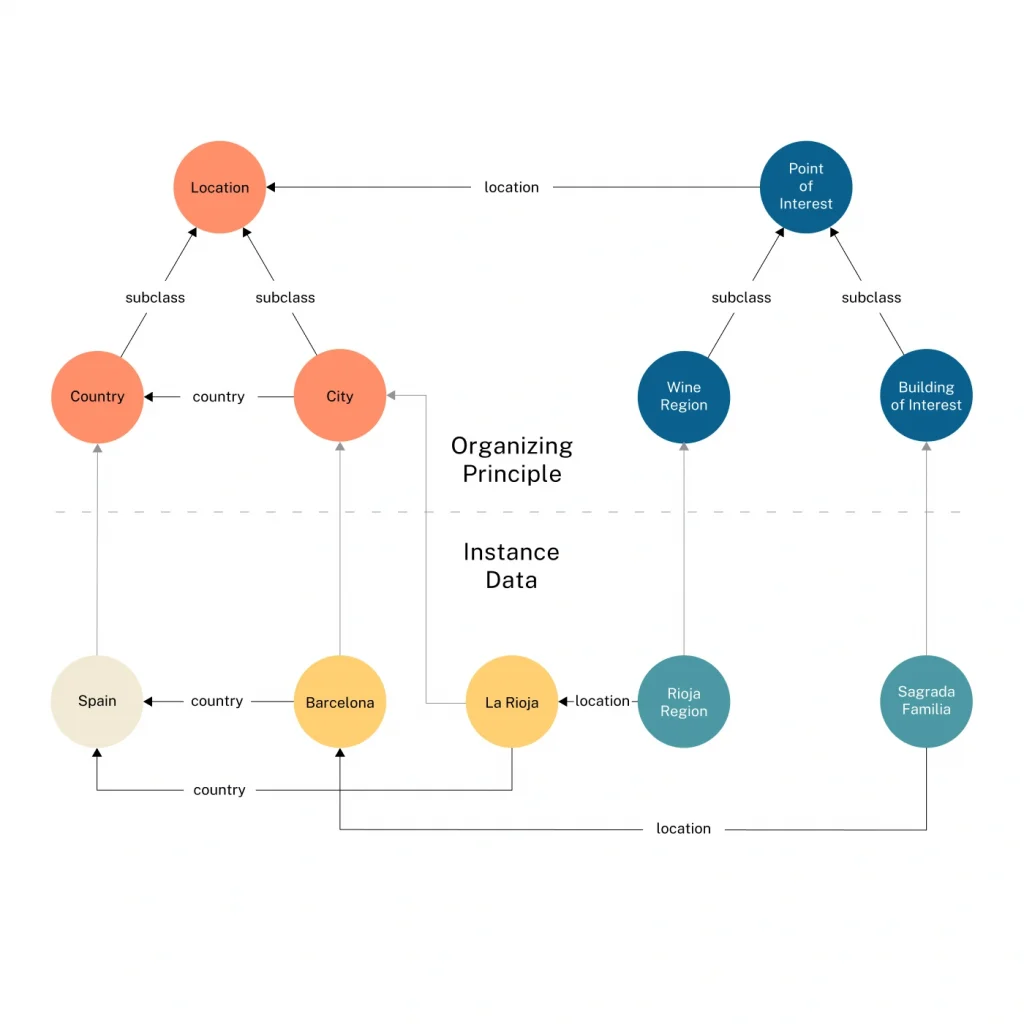
Knowledge graphs create structured connections that AI systems can reason over
The Problem: You're Invisible to AI
Imagine you're a medical clinic in Palo Alto. You have a great website, excellent reviews, and you've been serving patients for years. But when someone asks ChatGPT "What medical clinics are in Palo Alto?", you never appear in the answer.
Why? Because AI assistants don't search the web like Google does. They query knowledge graphs—massive, structured databases that contain information about businesses, locations, and relationships. If you're not in those databases, you're invisible to AI.
Traditional Approach
Your website has Schema.org markup. You rank well on Google. But AI assistants can't find you because you're not in the knowledge graphs they query.
Knowledge Graph Engineering
Your business is published to knowledge graph infrastructure with rich structured data. AI assistants can find you, understand your location, services, and context—and recommend you to users.
What is Knowledge Graph Engineering?
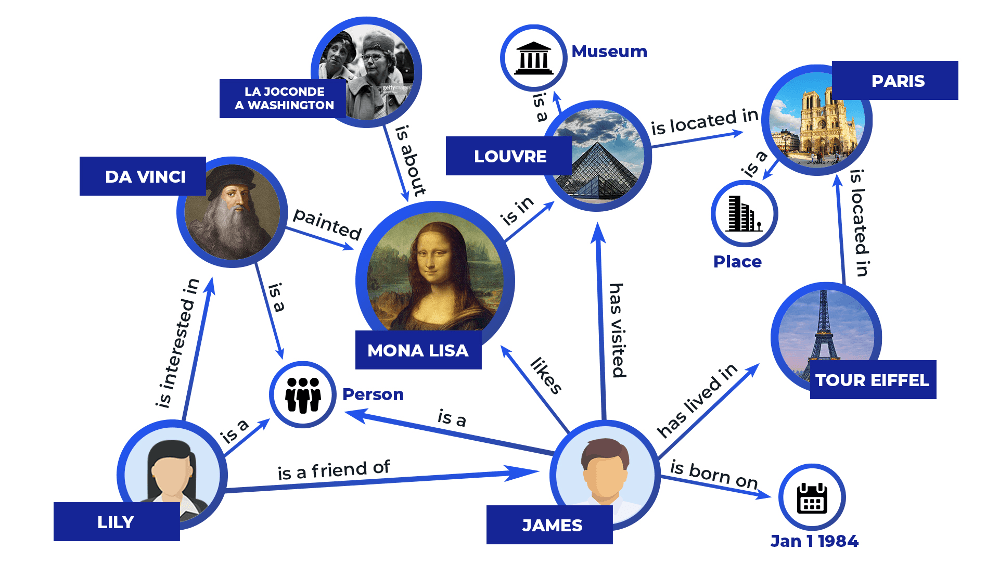
Think of a knowledge graph like a massive, interconnected map of information. Instead of web pages with text, it's a database of entities (like your business) connected by relationships (like "located in Palo Alto" or "provides medical services").
Knowledge graph engineering is the process of creating, structuring, and publishing your business data into this infrastructure so AI systems can find and understand you.
How It Works: A Simple Example
We extract your business information
Name, location, services, website, industry classification
We structure it with relationships
Link to your city, state, industry, and related businesses
We publish to knowledge graph infrastructure
Your business becomes part of the structured knowledge that AI systems query
AI assistants can now find and recommend you
When users ask about services in your area, you appear in the answer
Your Business: A Diamond in the Rough
Every local business is like a precious gem—valuable, unique, and full of potential. But without the right infrastructure, even the most brilliant businesses remain hidden, like diamonds buried deep underground.
Knowledge graph engineering is the process that polishes and positions your business so AI assistants can discover your value. We don't just add you to a database—we connect you to the network of relationships that makes you discoverable, understandable, and recommendable.
Just as gems shine brightest when properly cut and set, your business becomes visible to AI systems when it's structured and connected within knowledge graphs. The glowing connections in the network represent how AI assistants can traverse relationships to find you when users ask the right questions.

Why This Matters: The Shift to AI Search
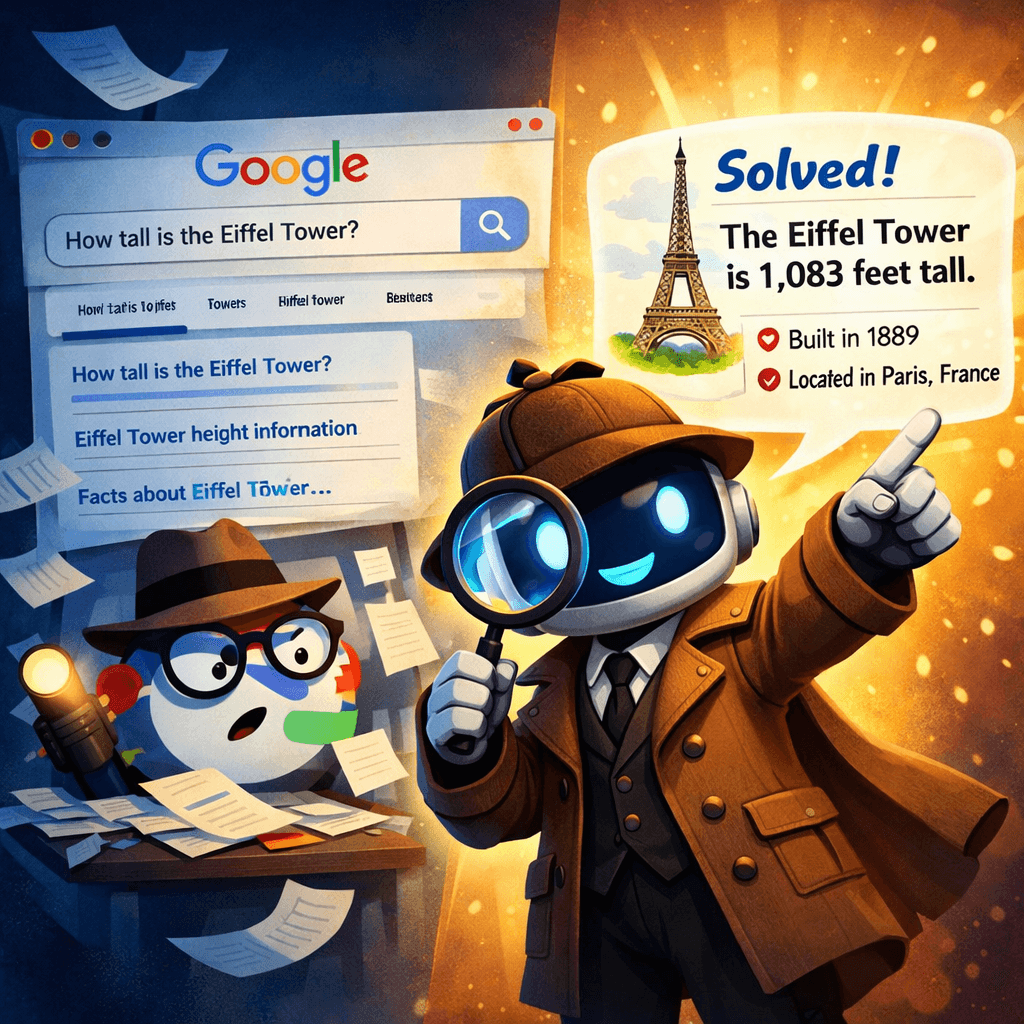
The Old Way: Google Search
User searches → Google shows 10 blue links → User clicks through → User finds your website. You need to rank high and hope users click.
The New Way: AI Search
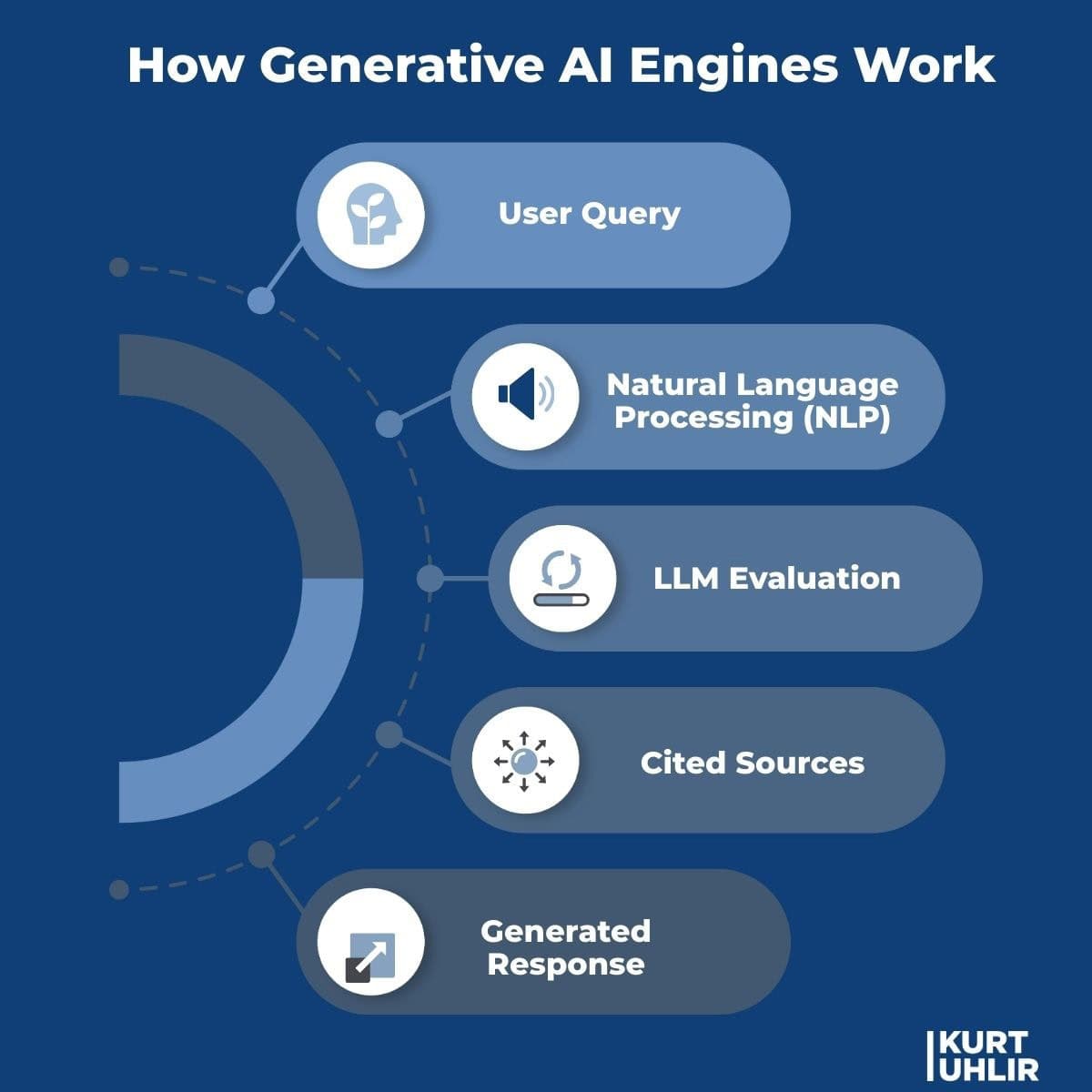
User asks ChatGPT → AI queries knowledge graphs → AI synthesizes answer → Your business appears in the answer directly. No clicking required—but you must be in the knowledge graph.
The Bottom Line
Research shows that businesses in knowledge graphs are 3x more likely to appear in AI assistant recommendations than businesses that only have website markup. As more people use AI assistants instead of Google, being in knowledge graphs becomes essential.
How Knowledge Graph Engineering Works
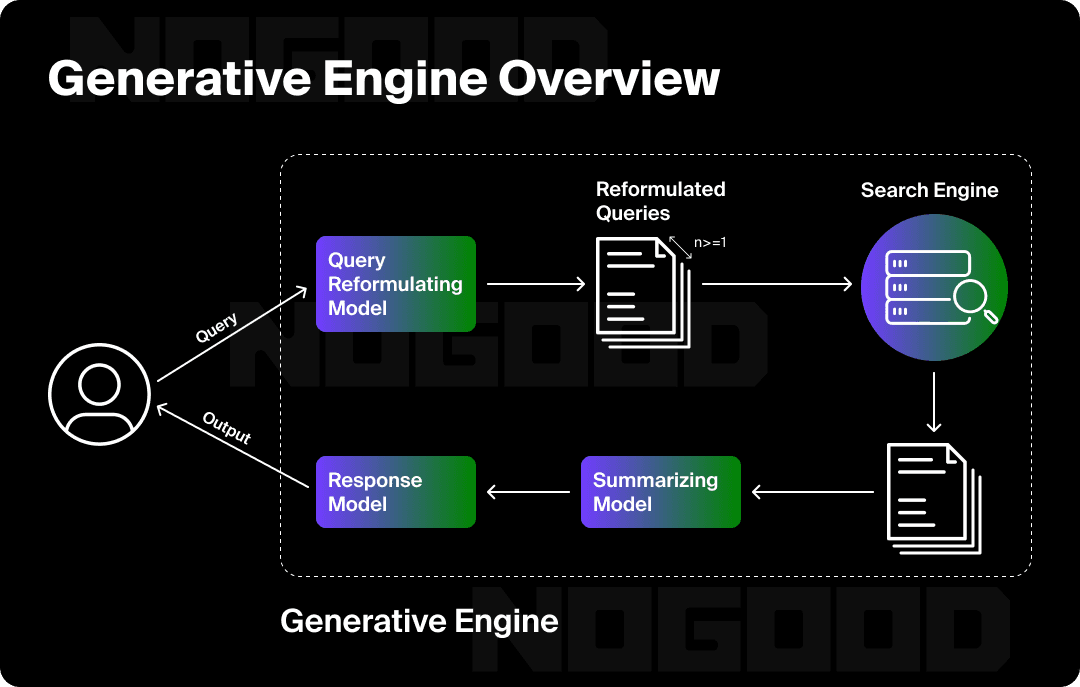
Data Collection
We gather comprehensive information about your business: location, services, industry, website, and more.
Relationship Mapping
We connect your business to geographic entities, industry classifications, and related businesses in the knowledge graph.
Publication
We publish your structured entity data to knowledge graph infrastructure where AI systems can discover and query it.
Real Results: What This Means for Your Business
When Your Business is in Knowledge Graphs:
- ✓AI assistants recommend you when users ask about services in your area
- ✓You appear in direct answers without users needing to click through search results
- ✓AI systems understand your context—location, services, industry—enabling accurate recommendations
- ✓You're discoverable across languages because knowledge graph data is structured and universal
Medical Clinics
When patients ask "Where can I get urgent care near me?", your clinic appears in the answer because AI systems can understand your location and services from the knowledge graph.
Law Firms
When potential clients ask "What law firms handle personal injury in Little Rock?", your firm appears because the knowledge graph links you to your location and practice areas.
Real Estate Agencies
When property buyers ask "What real estate agencies are in Cronulla?", your agency appears because the knowledge graph contains your location and industry data.
Local Businesses
When customers ask "What restaurants are near me?", your business appears because the knowledge graph enables AI systems to reason about your location and services.
The Science: Why Knowledge Graphs Work
Research from Princeton University shows that systematic knowledge graph engineering can improve AI visibility by up to 40%. Here's why:
Structured Data Enables Reasoning
AI systems can perform "multi-hop reasoning"—connecting your business to location, industry, and services to answer complex queries like "What medical clinics in Palo Alto accept my insurance?"
Relationships Provide Context
When your business is linked to geographic entities and industry classifications, AI systems understand not just what you are, but where you are and how you relate to other businesses.
Trust Through Verification
Knowledge graphs require source citations and verification, making them trusted sources that AI systems prioritize over unverified web content.
Ready to Make Your Business Discoverable?
Knowledge graph engineering isn't just about being found—it's about being found by the right people, at the right time, through the systems they actually use.