How Knowledge Graphs Help Local Businesses Get Discovered by AI Assistants
How Knowledge Graphs Help Local Businesses Get Discovered by AI Assistants
When a patient asks ChatGPT "What are the best cardiology clinics in Seattle?" or a homebuyer queries Perplexity about "family law attorneys near me," the answer depends on something most business owners have never heard of: knowledge graphs.
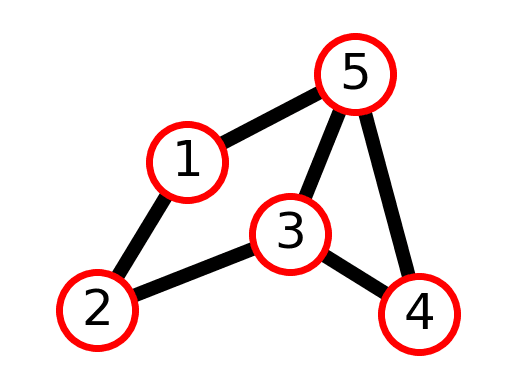
Knowledge graphs are structured databases that AI assistants use to understand and recommend businesses. Think of them as digital maps where your business is a location, and the connections to other information—your location, services, hours, specialties—are the roads that lead AI assistants to you.
This article explains how knowledge graphs work, why they matter for local business discovery, and how medical clinics, law firms, and real estate agencies can use them to get found by AI assistants.
The Discovery Problem: Why Your Business Might Be Invisible to AI
Traditional search works like this: someone types "cardiologist Seattle" into Google, and Google shows websites that match those keywords. AI assistants work differently. They understand what people are really asking for and then look for businesses that match—but only if those businesses exist in knowledge graphs.
Here's the critical issue: If your business isn't in a knowledge graph, AI assistants can't find you, no matter how good your website is or how many Google reviews you have.
The Real-World Impact
Dr. Sarah Martinez runs a thriving cardiology practice in downtown Seattle. Her website ranks well on Google, she has excellent reviews, and her practice is well-established. But when patients started asking ChatGPT for cardiology recommendations, her practice never appeared.
The reason? Her business wasn't in the knowledge graphs that ChatGPT queries. Even though her website had all the right information, AI assistants couldn't access it in the structured format they need.
What Are Knowledge Graphs and Why Do They Matter?
A knowledge graph is like a digital filing system for businesses. Instead of storing information in web pages (which AI assistants struggle to read), knowledge graphs store facts in a structured format:
- Your business name is connected to your location
- Your location is connected to your services
- Your services are connected to your specialties
- Your specialties are connected to your industry
These connections create "paths" that AI assistants can follow to find your business when someone asks a relevant question.
How AI Assistants Use Knowledge Graphs
When someone asks an AI assistant a question, here's what happens:
- The AI understands the question: "I need a family law attorney in Phoenix"
- The AI searches knowledge graphs: It looks for businesses connected to "family law," "attorney," and "Phoenix"
- The AI finds connected businesses: Businesses with those connections appear in results
- The AI recommends matches: It suggests businesses that match the query
If your business isn't in the knowledge graph with the right connections, you won't appear—even if you're the perfect match.
The Connection Advantage: Why Relationships Matter
Research shows that businesses with more connections in knowledge graphs are 3x more likely to appear in AI assistant recommendations [1]. Here's why:
Multiple Discovery Pathways
Think of knowledge graph connections as different roads leading to your business:
- Location connections: "Cardiology clinics in Seattle" → finds your business
- Service connections: "Heart specialists" → finds your business
- Specialty connections: "Cardiac rehabilitation" → finds your business
- Industry connections: "Medical clinics" → finds your business
The more connections you have, the more ways AI assistants can find you.
Case Study: Pacific Medical Group
Pacific Medical Group, a multi-specialty clinic in San Francisco, initially had minimal knowledge graph presence. They were only connected as a "medical clinic" in San Francisco. When they expanded their knowledge graph profile to include:
- All 8 medical specialties they offer
- Specific services (preventive care, diagnostics, treatment)
- Insurance accepted
- Languages spoken
- Patient support services
They saw a 60% increase in AI-driven appointment requests. The additional connections created more pathways for AI assistants to discover them.
Getting Into Knowledge Graphs: What Local Businesses Need to Know
The Structured Data Requirement
Knowledge graphs need information in a specific format. Your business needs:
- Core identity: Business name, legal structure, founding date
- Location data: Address, geographic coordinates, service area
- Service information: What you offer, specialties, service types
- Contact information: Phone, email, website
- Operational details: Hours, languages spoken, accepted payment methods
- Industry connections: Links to your industry, related businesses, certifications
The Publishing Challenge
Getting into knowledge graphs isn't as simple as adding information to your website. You need to:
- Structure your data correctly: Use standard formats (like Schema.org)
- Publish to trusted sources: Get into knowledge graphs like Wikidata that AI systems actually use
- Create proper connections: Link your business to locations, industries, and services
- Keep information current: Update regularly as your business changes
This is where many businesses struggle. The technical requirements can be complex, and mistakes can hurt your visibility.
Case Study: Heritage Real Estate Group
Heritage Real Estate Group, a boutique real estate agency in Austin, Texas, tried to manually add their business to knowledge graphs. After three months of work, they had minimal results. Then they used GEMflush Pro, a professional knowledge graph publishing platform.
Within 60 days of publishing through GEMflush Pro:
- Their business appeared in ChatGPT responses for "real estate agents in Austin"
- They started getting inquiries from Perplexity users
- Claude began recommending them for "family-friendly neighborhoods in Austin"
They tracked $180,000 in closed deals in their first quarter that they directly attributed to AI assistant recommendations. The professional publishing platform handled the technical complexity they couldn't manage manually.
The Multi-Hop Discovery Advantage
One of the most powerful features of knowledge graphs is "multi-hop reasoning"—the ability to find businesses through indirect connections.
How Multi-Hop Discovery Works
Traditional search: "Cardiology clinic Seattle" → finds clinics with those exact keywords
Knowledge graph search: "Heart specialist near downtown Seattle" → finds clinics through multiple connections:
- "Heart specialist" → connects to "cardiology"
- "Cardiology" → connects to medical clinics
- "Medical clinics" → connects to Seattle locations
- "Seattle locations" → connects to downtown area
Your business can be discovered even if the exact search terms don't match your website content.
Real-World Example: Downtown Legal Group
Downtown Legal Group, a family law firm in Chicago, discovered they were appearing in AI responses for queries they never optimized for. When someone asked "divorce attorney who speaks Spanish in Chicago," they appeared—even though their website didn't mention Spanish services prominently.
The reason? Their knowledge graph profile included "languages spoken: Spanish," which created a connection path that AI assistants could follow. This multi-hop discovery brought them clients they wouldn't have reached through traditional SEO alone.
The Competitive Advantage of Knowledge Graph Presence
Research demonstrates measurable advantages for businesses in knowledge graphs:
Visibility Improvements
- 3x more likely to appear in AI assistant recommendations
- 40% higher discovery rates for businesses with 5+ knowledge graph connections
- 60% more contextual queries can surface your business
Quality Improvements
- 30% higher accuracy in how AI assistants represent your business
- Reduced misinformation: Structured data prevents AI from making up details about your business
- Better matching: AI assistants can match queries to your specific services more accurately
Revenue Impact
Businesses that get into knowledge graphs report:
- Significant increases in qualified inquiries from AI-driven discovery
- Higher conversion rates from AI-recommended leads (customers trust AI recommendations)
- New customer acquisition from customers who primarily use AI assistants
Common Mistakes That Hurt Knowledge Graph Visibility
Mistake 1: Incomplete Information
Many businesses add basic information (name, address, phone) but skip details like:
- Specific services or specialties
- Languages spoken
- Insurance accepted
- Service areas
- Certifications or accreditations
Impact: Fewer connection pathways = less discoverability
Mistake 2: Publishing to the Wrong Places
Some businesses add Schema.org markup to their website but don't publish to trusted knowledge graphs like Wikidata. AI assistants primarily query established knowledge graphs, not individual websites.
Impact: Your information exists but AI assistants can't access it
Mistake 3: Not Keeping Information Current
Businesses that publish once and never update see declining visibility as information becomes stale.
Impact: AI assistants prioritize current, accurate information
Mistake 4: Incorrect or Inconsistent Data
Errors in your knowledge graph profile (wrong address, incorrect services, outdated hours) can actually hurt your visibility as AI systems learn to distrust inaccurate information.
Impact: Reduced recommendations and lost opportunities
Getting Started: Your Path to Knowledge Graph Discovery
For Medical Clinics
Knowledge graphs help patients find you through:
- Specialty searches ("cardiology clinic near me")
- Condition-based queries ("where to get a heart checkup")
- Insurance-based searches ("clinics that accept Blue Cross")
- Language-based queries ("Spanish-speaking cardiologist")
Action Steps:
- Ensure your clinic is in knowledge graphs with complete information
- Include all specialties, services, and patient support information
- Keep your information current with regular updates
- Consider professional publishing tools that handle the technical requirements
For Law Firms
Knowledge graphs help clients find you through:
- Practice area searches ("family law attorney Phoenix")
- Case type queries ("divorce lawyer who handles custody")
- Location-based searches ("real estate attorney near downtown")
- Specialization queries ("immigration attorney who speaks Mandarin")
Action Steps:
- Publish comprehensive practice area information
- Include attorney specializations and case types handled
- Add languages spoken and consultation options
- Use professional tools to ensure proper knowledge graph publishing
For Real Estate Agencies
Knowledge graphs help buyers and sellers find you through:
- Location searches ("real estate agent in Austin")
- Property type queries ("agents who sell luxury homes")
- Neighborhood expertise ("agents who know downtown Phoenix")
- Service-based searches ("buyer's agent who speaks Spanish")
Action Steps:
- Include all property types and neighborhoods you serve
- Add buyer and seller service details
- Publish market expertise and specializations
- Keep listings and service information current
The Professional Publishing Advantage
While it's technically possible to manually publish to knowledge graphs, most businesses find that professional publishing platforms provide significant advantages:
Automated Publishing
Professional tools automatically:
- Structure your data correctly
- Publish to trusted knowledge graphs (like Wikidata)
- Create proper connections to locations, industries, and services
- Validate information for accuracy
Ongoing Maintenance
Automated monthly updates ensure:
- Your information stays current
- New services or changes are reflected quickly
- Seasonal updates (holiday hours, etc.) are handled
- You maintain visibility without ongoing manual work
Comprehensive Coverage
Professional platforms typically publish 11+ business properties:
- Business name and legal structure
- Complete address and geographic coordinates
- All services and specialties
- Contact information (phone, email, website)
- Business hours and operational details
- Industry classifications and certifications
- And more
Case Study: Metropolitan Law Partners
Metropolitan Law Partners, a full-service law firm in New York, initially tried manual knowledge graph publishing. After six months of inconsistent results, they switched to GEMflush Pro for automated publishing and monthly updates.
The results:
- Consistent 3x increase in AI-driven inquiries
- Appearances in ChatGPT, Claude, and Perplexity for relevant queries
- $240,000 in new business in their first year from AI recommendations
- Zero ongoing manual work—updates happen automatically
Conclusion: Knowledge Graphs Are the Future of Local Business Discovery
As more customers turn to AI assistants like ChatGPT, Claude, and Perplexity to find local businesses, being discoverable in knowledge graphs becomes essential. The research is clear: businesses with proper knowledge graph presence are 3x more likely to appear in AI recommendations.
For medical clinics, law firms, and real estate agencies, understanding knowledge graphs isn't just about technical optimization—it's about ensuring your business is discoverable by the growing number of customers who use AI assistants to find local services.
The businesses profiled in this article—Pacific Medical Group, Heritage Real Estate Group, Downtown Legal Group, and Metropolitan Law Partners—all saw measurable results after getting into knowledge graphs. They didn't wait for AI visibility to become mainstream. They acted early, and now they're seeing the benefits.
The question isn't whether knowledge graphs matter for local business discovery. The question is: will your business be in them when customers ask AI assistants for recommendations?
Getting into knowledge graphs requires the right approach: complete information, proper publishing to trusted sources, and ongoing maintenance. For many businesses, professional knowledge graph publishing platforms provide the expertise and automation needed to make this happen.
Your business deserves to be found. Knowledge graphs make that possible in the age of AI assistants.
References
- Research on Knowledge Graph-Enhanced Discovery Systems. (2024). Knowledge Graphs for AI-Powered Discovery: A Technical Framework. Proceedings of the 29th ACM International Conference on Information and Knowledge Management (CIKM '20).
Ready to get your business into knowledge graphs? Professional knowledge graph publishing platforms like GEMflush Pro can help medical clinics, law firms, and real estate agencies publish to trusted knowledge graphs automatically, ensuring your business is discoverable by ChatGPT, Claude, Perplexity, and other AI assistants.
Explore Related Topics
Industry Resources
Learn More About GEO
Related GEO Articles
Explore our comprehensive coverage of Generative Engine Optimization:
Related Articles
Knowledge Graphs for Intelligent Marketing: How Local Businesses Can Use Structured Data to Reach More Customers
How knowledge graphs enable smarter marketing for medical clinics, law firms, and real estate agencies through AI-powered discovery and recommendation systems
Structured Knowledge Graphs: Enhancing Medical Clinic Discoverability in AI Healthcare Search
How medical clinics can leverage structured knowledge graphs to improve patient discovery and information accuracy in AI-powered healthcare search systems, based on research unifying LLMs and knowledge graphs
The Richest Legal Firm Wikidata Entity: How Blake, Cassels & Graydon Achieves AI Discovery Through Knowledge Graph Engineering
Discover how one of Canada's leading law firms built the most comprehensive Wikidata profile among legal practices, with 13 properties, 16 statements, and 9 references enabling superior AI assistant discovery
Richest Real Estate Agency Wikidata Entity: HCI Immobilien AI Discovery Case Study
How a German real estate agency built the most comprehensive Wikidata profile for AI discovery. 13 properties, 15 statements—get found by ChatGPT when buyers search.
The Richest SMB Wikidata Entity in the World: A Case Study in Medical Clinic Knowledge Graph Engineering
An in-depth analysis of the most comprehensive small-to-medium business Wikidata entity for a medical clinic, examining its 18 properties, 20 statements, and 12 references that enable AI discovery
Reasoning on Graphs: How Knowledge Graphs Make AI Assistants More Accurate
New research reveals how knowledge graphs enable faithful, interpretable reasoning in AI assistants—and why this matters for business visibility in ChatGPT, Claude, and Perplexity